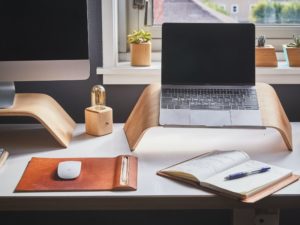

Remember 2020? When we all rushed to create the “perfect” home office setup, spending hundreds (or thousands) on standing desks, ergonomic chairs, and ring lights that would make us look professional on Zoom?
Since many return-to-office mandates have been rolled out, many home offices have become little more than glorified storage rooms for Amazon boxes and the Peloton you swore you’d use daily (which, for me, ironically, is in my hobby room). You’re not alone. The tides have turned, and the once-essential home workspace is quickly becoming the most underutilized room in the house for those of us who didn’t already work from home before the pandemic.
Here’s the thing: as return-to-office mandates continue to sweep across corporate America, homeowners are looking at their dedicated workspaces with fresh eyes. And what they’re seeing is wasted potential. These rooms, often the nicest spaces in the home with great natural light and quiet locations, are sitting empty for 40-plus hours a week. That’s prime real estate going unused.
So what are savvy homeowners doing instead? They’re reclaiming these spaces for what actually brings them joy. Wine cellars. Art studios. Pilates rooms. Music spaces. Teen hangouts. Even cigar lounges (yes, really). The transformation is happening across the country, representing something bigger than just interior design trends. It’s a fundamental shift in how we think about our homes and what we want from them.
The Home Office Boom (and Bust)
Let’s rewind for a moment. During the pandemic, the home office wasn’t just nice to have. It was essential. Companies went fully remote seemingly overnight, and suddenly everyone needed a dedicated workspace. Not just a corner of the kitchen table, but a real room with a door that closed and a background that didn’t scream “I’m calling from my bedroom.”
The real estate market reflected this urgency. Zillow data from 2022 showed that listings mentioning a home office or “Zoom room” sold for 1.6% above asking price and moved six days faster than comparable homes without these features. Builders were adding office spaces to floor plans. Homeowners were converting spare bedrooms, finished basements, and even walk-in closets into workspaces.
Fast forward to 2025, and the landscape looks completely different. According to recent data, 75% of US workers are now required to work in-office at least part of the time. Many are back five days a week. That expensive home office setup? It’s collecting dust.
Interior designers are seeing the shift firsthand. A 1stDibs survey found that only 13% of designers expect home office renovations to be among their most-requested projects this year. Compare that to around one-third just two years ago in 2023. That’s a dramatic drop in a very short time.
Welcome to the Era of the Hobby Room
So if we’re not working from these spaces anymore, what are we doing with them? The answer is refreshingly simple: whatever makes us happy.
Homeowners are converting their former offices into spaces dedicated entirely to leisure, creativity, and personal pursuits. We’re talking about wine cellars with temperature control and tasting areas. Home gyms with mirrors and ballet barres. Art studios flooded with natural light. Music rooms with soundproofing. Gaming lounges for teenagers (because let’s be honest, they need their own space too). Craft rooms with endless storage. Meditation spaces. Libraries with actual books and cozy reading nooks.
The variety is endless, and that’s precisely the point. These aren’t cookie-cutter solutions. They’re personal expressions of how we actually want to spend our time at home.
Eric Brown, an industry expert based in New York, told Bloomberg that in space-constrained cities, these hobby rooms are becoming even more versatile. “A room might start the day as a calm workout spot, serve as a kids’ gaming zone in the afternoon, and then evolve into a sophisticated entertaining space by night,” he explained.
This multi-purpose approach makes sense, especially for those of us who don’t have unlimited square footage to work with. The key is designing spaces that can adapt throughout the day while still serving their primary purpose beautifully.
Why This Shift Matters
This trend isn’t just about interior design. It reflects something deeper about our priorities and values post-pandemic. We spent years being told that hustle culture was everything, that our worth was tied to our productivity, that we should optimize every aspect of our lives for work. The pandemic forced us to reassess all of that.
Now, we’re seeing the results of that reassessment. A 2025 Thumbtack survey found that 84% of homeowners are prioritizing renovation projects that “bring happiness over dollars.” Even more telling? Thirty-one percent plan to spend $10,000 or more on these joy-focused projects, regardless of whether they expect to see a return on investment when they sell.
This is huge. For decades, homeowners were advised to make renovation decisions based solely on resale value. Neutral colors, safe choices, nothing too personal. But that calculus is changing. People are realizing that if they’re going to live somewhere for a decade or more (and 61% of US homeowners say they plan to stay put for at least 10 years, given current home prices and mortgage rates), they might as well love the space they’re in.
Making It Work for You
If you’re thinking about converting your home office into something more personally meaningful, here are some practical considerations:
Start by honestly assessing how often you actually use the space for work. If you’re in the office four or five days a week, that home workspace probably isn’t earning its keep. Even if you work from home occasionally, you might be able to set up a laptop at the kitchen table or in a corner of your bedroom for those rare remote days.
Next, think about what’s missing from your life. What hobby or activity would you like to have more time for? What would genuinely improve your daily quality of life? The answer to these questions should guide your conversion.
Budget matters, but don’t let it stop you from dreaming big. Some conversions can be done relatively inexpensively. Converting an office into a yoga or Pilates studio may involve clearing out the furniture, installing mirrors, and investing in the necessary equipment. Other projects, like wine cellars or music studios, require a more significant investment. Figure out what makes sense for your financial situation and your priorities.
Consider the flexibility of the space. Can it serve multiple purposes? Maybe that art studio doubles as a guest room with a Murphy bed. Perhaps the teen rec room has storage that can hide toys and games when you’re entertaining adults. Thinking through these dual purposes can help justify the conversion.
The Bottom Line
The death of the home office and rise of the hobby room isn’t just a trend. It’s a statement about what we value. After years of pandemic-induced isolation followed by forced returns to office life, we’re collectively deciding that our homes should be sanctuaries, not extensions of our workplaces.
We’re choosing joy over productivity. Personal fulfillment over resale value. Experiences over efficiency. And honestly? It’s about time.
So take a good look at that dusty home office. Think about what would actually make you happy. Then go ahead and make the change. Because if we learned anything from the past few years, it’s that life is too short to dedicate your best room to a desk you never use.
And hey, if there’s another pandemic (knock on wood there isn’t), at least you’ll be stuck at home with a space you actually enjoy. That Zoom call might be a lot more interesting from a pilates studio or art room than from a generic office anyway.

Emily Sprinkle, also known as Emma Loggins, is a designer, marketer, blogger, and speaker. She is the Editor-In-Chief for Women's Business Daily where she pulls from her experience as the CEO and Director of Strategy for Excite Creative Studios, where she specializes in web development, UI/UX design, social media marketing, and overall strategy for her clients.
Emily has also written for CNN, Autotrader, The Guardian, and is also the Editor-In-Chief for the geek lifestyle site FanBolt.com